The elmendorf tear test is one of the most widely recognized methods used in textile and material testing industries to evaluate the tear resistance of fabrics, papers, and flexible sheet materials. In modern quality control systems, understanding how a material behaves under sudden force is essential for ensuring durability, safety, and long-term performance. The Elmendorf method provides a standardized and scientifically reliable way to measure this resistance, making it a critical part of textile engineering and material science.
From apparel manufacturing to industrial packaging, tear strength plays a vital role in product quality. The elmendorf tear test helps manufacturers, researchers, and quality inspectors determine whether a material can withstand real-world stress without failing prematurely.
Elmendorf Tear Test in Textile Strength Evaluation?
The elmendorf tear test is primarily used to measure the force required to propagate an existing tear in a fabric or sheet material. Unlike tensile strength tests that focus on stretching resistance, this test focuses on how a material behaves once a tear has already started.
In textile manufacturing, fabrics are constantly exposed to mechanical stress during cutting, stitching, wearing, and washing. A material with poor tear strength may fail quickly even if it has high tensile strength. This is why the elmendorf tear test is essential in fabric quality assessment.
The test is widely applied in evaluating woven fabrics, nonwoven materials, technical textiles, plastic films, and even paper products. Industries rely on the elmendorf tear test results to ensure that materials meet required performance standards before being used in final products. The results are usually expressed in millinewtons or grams-force, depending on the testing standard followed.
Elmendorf Tear Test Principle and Instrument Operation
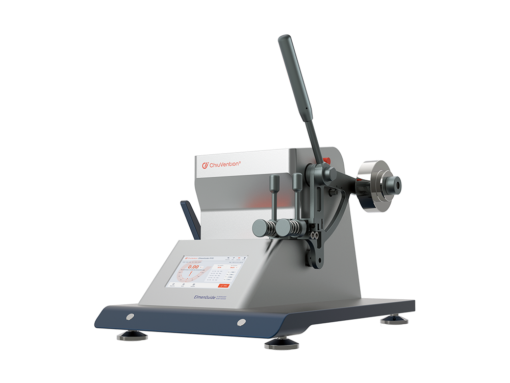
The working principle of the elmendorf tear test is based on pendulum energy loss. The test uses a specialized device known as an Elmendorf tear tester, which consists of a pendulum arm, clamps, and a calibrated scale.
During the test, a rectangular sample of material is first prepared with a small precut slit. This slit acts as the starting point for tearing. The sample is then clamped into the device so that the tear propagates vertically when the pendulum is released.
When the pendulum is raised and released, it swings through the sample, tearing it along the predetermined slit. The energy lost by the pendulum during this tearing action is measured and converted into tear resistance values. The higher the energy required, the greater the tear strength of the material.
The elmendorf tear test is valued for its simplicity, repeatability, and accuracy. It provides consistent results that are easy to compare across different materials and production batches. Because of this, it has become a standard method in laboratories and quality control departments around the world.
Elmendorf Tear Test Applications in Fabrics and Materials
The elmendorf tear test is widely used across multiple industries where material durability is critical. In the textile sector, it helps determine whether fabrics used in garments, upholstery, and industrial textiles can withstand tearing under stress. For example, denim, canvas, and protective clothing materials are often evaluated using this method to ensure long-lasting performance.
In packaging industries, the elmendorf tear test is applied to paper, cardboard, and plastic films used for wrapping and sealing products. A weak packaging material may tear during handling or transportation, leading to product damage. Therefore, tear resistance testing ensures packaging reliability.
The test is also important in technical applications such as geotextiles used in construction and agriculture. These materials are exposed to harsh environmental conditions, and their tear resistance directly affects structural integrity and safety.
By providing accurate tear strength measurements, the elmendorf tear test supports product development, quality assurance, and compliance with international standards. It also helps manufacturers improve material composition and production techniques to achieve better performance.
Elmendorf Tear Test Standards and Industry Relevance
The elmendorf tear test is governed by several international testing standards to ensure uniformity and reliability in results. Common standards include ASTM D1424 and ISO 1974, which define sample preparation, testing procedures, and calculation methods.
These standards ensure that results obtained from different laboratories remain comparable, regardless of location or equipment variations. This consistency is essential for global trade and manufacturing industries where materials are sourced and used across multiple countries.
In industrial applications, the elmendorf tear test is often part of a broader quality control system that includes tensile testing, abrasion resistance testing, and bursting strength evaluation. Together, these tests provide a complete understanding of a material’s mechanical performance.
The relevance of the elmendorf tear test continues to grow as industries demand stronger, lighter, and more durable materials. Innovations in textiles and polymers have increased the need for precise tear resistance data, making this test more important than ever in research and development environments.
Conclusion Elmendorf Tear Test in Material Testing
The elmendorf tear test remains a fundamental method for evaluating tear resistance in fabrics, papers, and flexible materials. Its ability to provide accurate and repeatable measurements makes it an essential tool in textile engineering, packaging design, and industrial material development. By analyzing how a material responds to tearing forces, manufacturers can improve product quality, enhance durability, and ensure compliance with international standards.
As industries continue to evolve and demand higher performance materials, the importance of the elmendorf tear test will only increase. It stands as a reliable benchmark for understanding material behavior under stress, ultimately contributing to safer, stronger, and more efficient products across multiple sectors.